Insights
Articles
Notes from building an adaptive digital twin for bioprocesses — the research, the product, and the industry around it.
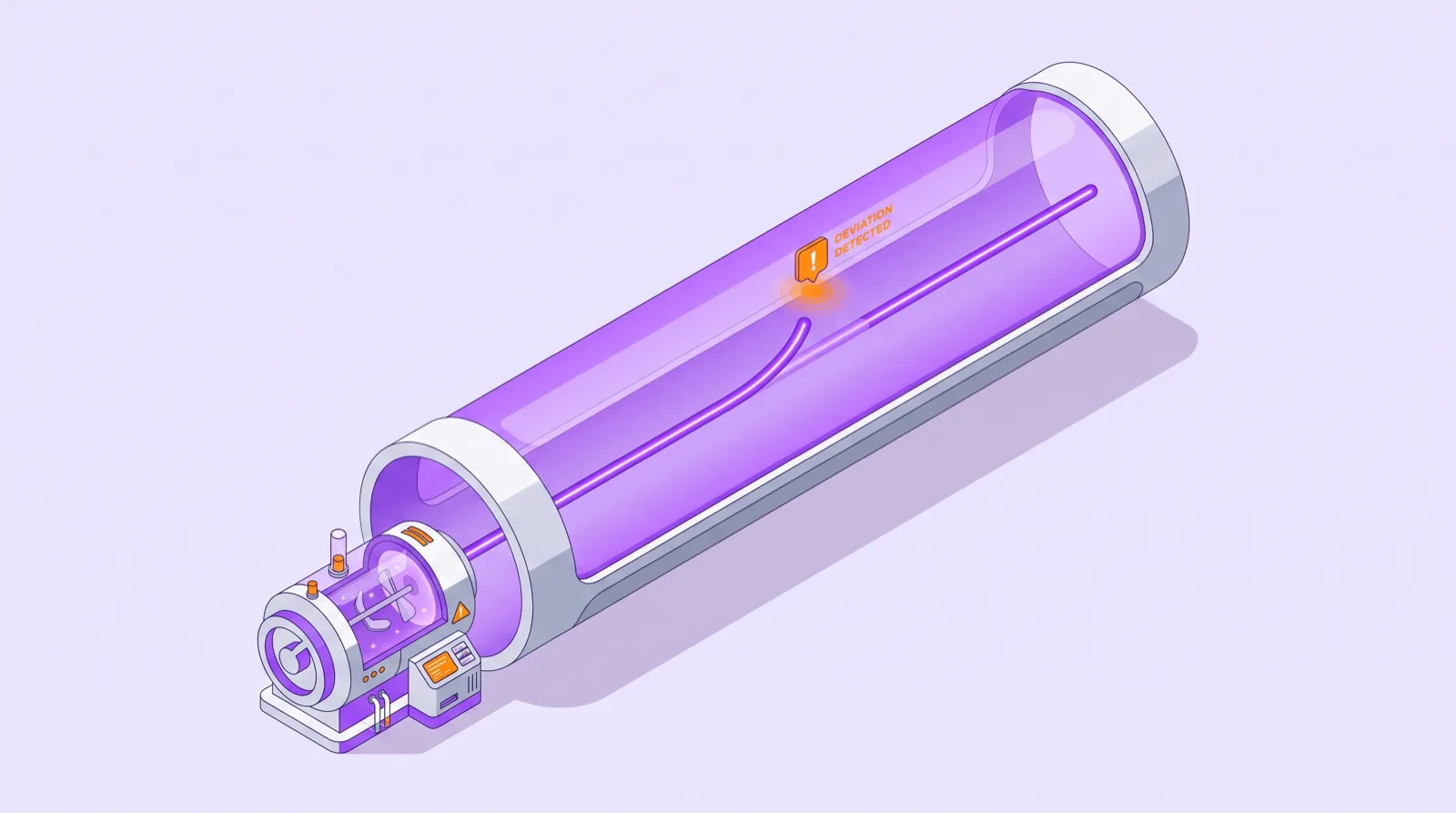
The golden envelope: catching a drifting batch before it goes off-spec
A golden batch is a statistical envelope, not a single curve. Here's how multivariate batch monitoring — Hotelling's T² and DModX — lets a digital twin flag a drifting run early, and forecast where it's heading.
Read more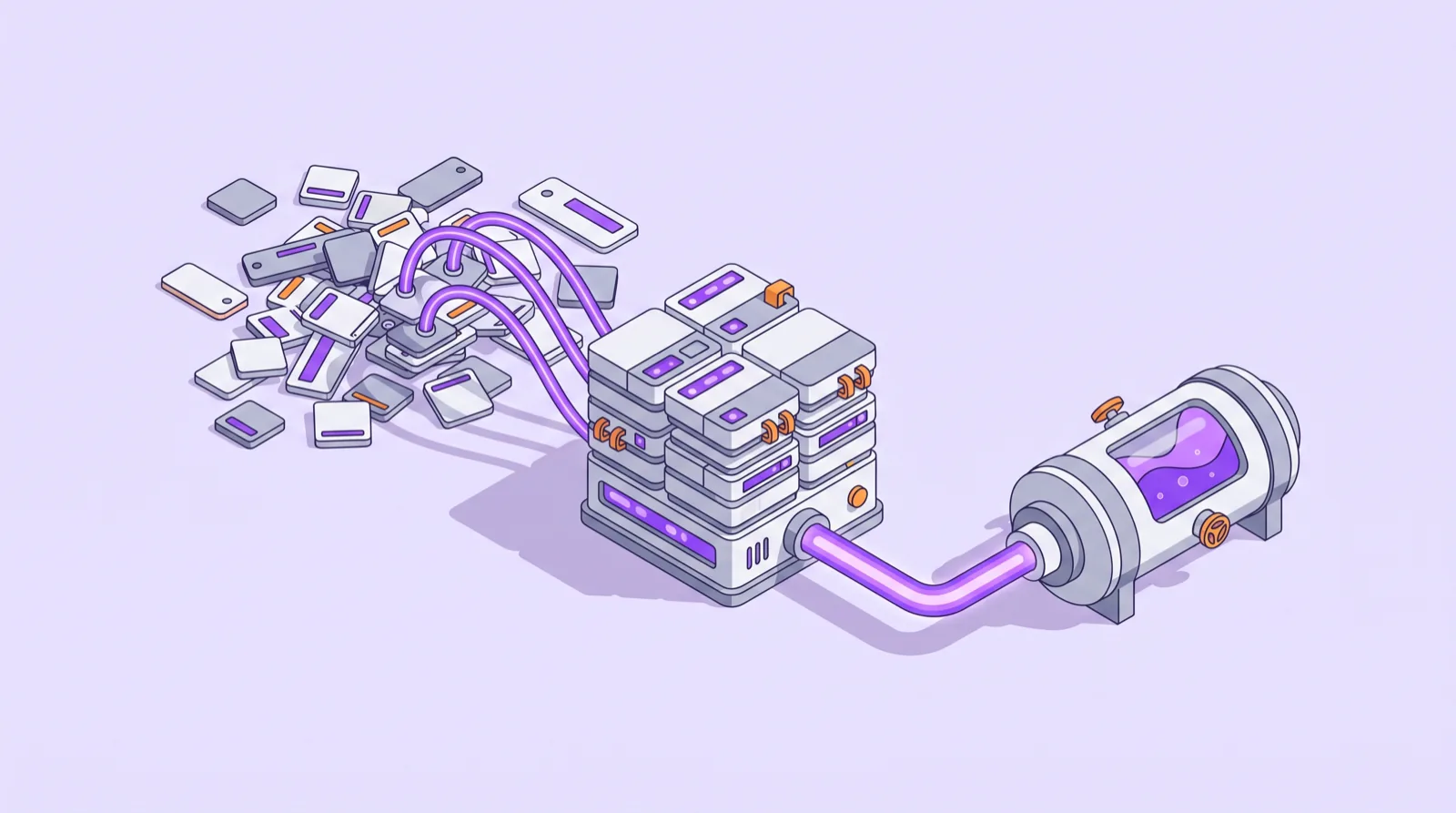
An adaptive digital twin is only as good as its data
Simulation and prediction of a bioprocess depend on clean, standardised, contextualized, live signals. Here's why the data layer — not the model — is where most digital-twin efforts quietly stall.
Read moreWe lost the batch. The model was 94% accurate.
Why classical deep learning fails on 10–50 bioprocess runs, and how physics-informed neural networks use mass balance and kinetics to turn sparse data into physically consistent models.
Read moreThe FDA vs. the black box: can you reconstruct an AI decision from 18 months ago?
Audit trail and data lineage are two different instruments, and an ML-supported release decision needs both — plus the model version, input snapshot, probability score and explanation captured at decision time.
Read moreFrom pilot to production: a case study on digital twin implementation in CDMOs
Four phases, realistic timelines and real numbers: discovery, shadow-mode pilot, IQ/OQ/PQ deployment and scale-up — plus what happened at a CDMO with eight 2,000 L bioreactors.
Read moreValidating the future: a guide to adaptive digital twins in GMP environments
The regulatory barrier to adaptive AI in GMP rarely materialises when the documentation is in order: PCCP, ICH Q13, the EMA AI reflection paper, phased autonomy and model lifecycle management.
Read more